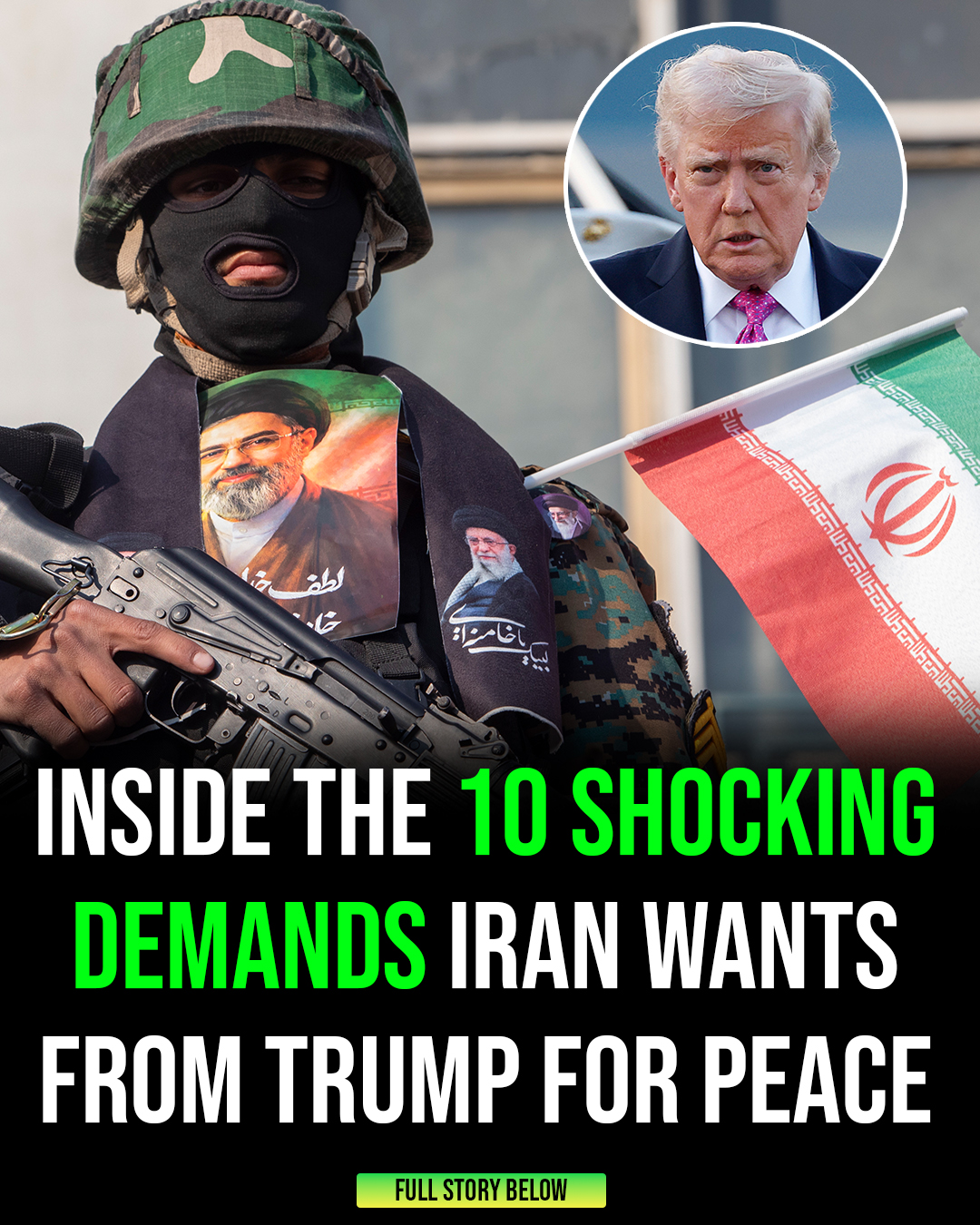
A Pause in Tension — And What It Really Offers
The shift came quickly.
After strong warnings and rising pressure, the tone changed. A temporary ceasefire between the United States and Iran introduced something that had been missing in the previous days—space.
Not resolution. Not agreement.
But a pause.
When Momentum Slows
In situations like this, speed often drives escalation. Decisions follow one another before their consequences can fully settle.
A ceasefire interrupts that pattern.
It doesn’t solve the underlying issues, but it slows the pace enough for something else to enter—consideration, reassessment, and the possibility of dialogue that isn’t shaped entirely by urgency.
The Proposal as a Starting Point
The reported proposal, described as a “workable basis,” has drawn mixed reactions.
Some see it as too broad, offering significant concessions. Others view it as a necessary framework to begin discussions that otherwise wouldn’t happen at all.
Proposals at this stage are rarely final positions.
They are openings—imperfect, sometimes uneven, but intended to bring both sides into the same space long enough to test whether progress is possible.
The Role of Quiet Mediation
Behind the public statements, multiple countries are reported to have played a role in bringing about this pause.
These efforts rarely draw attention, but they matter.
Because in high-pressure situations, it is often the quieter channels—the ones without headlines—that create the conditions for visible change.
Relief, Concern, and Uncertainty
Reactions have followed different lines.
Some emphasize the immediate benefit: reduced risk, fewer lives in direct danger, a moment where escalation is not the only direction.
Others question the longer-term implications—whether the balance of leverage has shifted, or whether the pause simply delays what has not yet been resolved.
Both responses come from the same place:
An awareness that the situation is not settled.
What a Short Window Can Do
Two weeks is not a long time.
But it is enough to determine intent.
Whether both sides use it to move toward something more stable, or simply to regroup, will shape what follows.
Moments like this are less about the agreement itself and more about what is done within it.
Final Thought
A ceasefire is not peace.
But it is an opportunity to choose direction before momentum decides it instead.
And in situations where the cost of misjudgment is high, even a brief pause carries weight.
Not because it guarantees a better outcome—but because it makes one possible.
💬 Do you think short ceasefires create real opportunities—or just delay what’s already set in motion?
