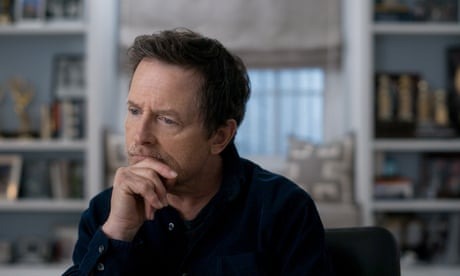
“Don’t make me the story,” Michael J. Fox insists, both gentle and firm. “The story is the power of optimism. It’s a choice. Acceptance doesn’t mean giving up; it means looking at the truth and asking: ‘What does this truth require of me?’” After more than three decades of living with Parkinson’s disease, the 62-year-old actor still frames his life around that philosophy: facing pain without letting it define him.
From Teen Heartthrob to Cultural Icon
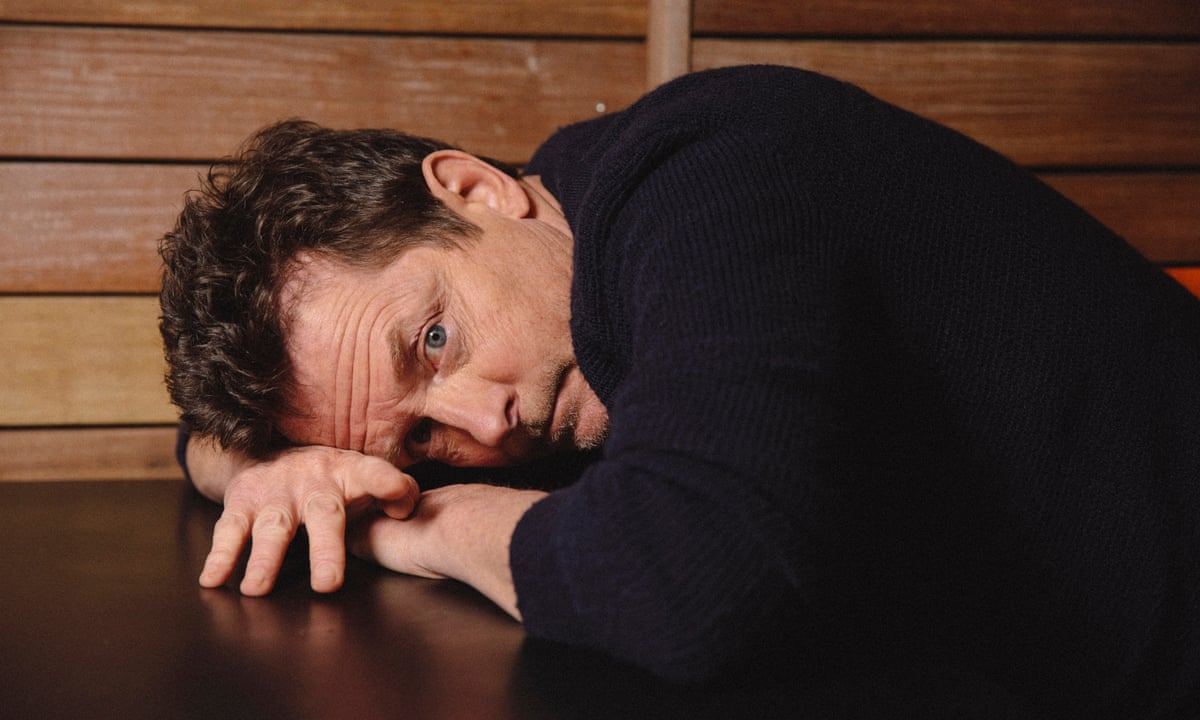
Born in Canada, Fox quit school early and moved to Los Angeles, eventually landing the role of Alex P. Keaton on the hit sitcom Family Ties. His career exploded with Back to the Future, making him an international sensation. By the summer of 1985, Fox had the No. 1 movie (Back to the Future), the No. 2 (Teen Wolf), and one of the top-rated TV shows at the same time.
More hit films followed—The Secret of My Success, The Hard Way, Casualties of War—and Fox married his Family Ties co-star Tracy Pollan. But in 1989, at just 29, he noticed a twitch in his finger. Doctors diagnosed him with Parkinson’s disease, warning him that his expected lifespan might be shortened.
Fox fell into drinking until Pollan confronted him about raising children with an alcoholic. He sobered up, built a career around Spin City, and in 1998 went public with his diagnosis. Two years later, he founded the Michael J. Fox Foundation for Parkinson’s Research, which has since poured billions into medical science.
No Glossing Over: Honesty and Humor
In the documentary Still: A Michael J. Fox Movie, Fox allowed cameras to capture his tremors, falls, and even flashes of humor in the middle of hardship. There was no sugarcoating, but no self-pity either. “Do I feel sad seeing myself young and athletic? No. Do I sometimes change the channel? Yes,” he says.
He admired Muhammad Ali, who shared the same illness, for carrying public attention lightly. Ali could rewatch old fights with pride, and Fox does the same with his acting. “People sometimes come up and say: ‘Thanks for my childhood.’ I can’t take credit for their childhood, but I understand the connection.”
Fox also laughs at himself. On Curb Your Enthusiasm, he played a fictionalized version of himself—sometimes exaggerating symptoms to irritate Larry David. For Fox, self-deprecation is a way to resist being boxed into pity.
“I Hate It. It Sucks. But It Didn’t Defeat Me”

Fox is candid about the toll of Parkinson’s: constant pain, endless effort to move, and the exhaustion of daily life. “It’s tough to get up in the morning and keep going,” he admits. “I hate it. It sucks. But it didn’t defeat me.”
Optimism for him isn’t blind cheerfulness but discipline. He refuses to live the worst-case scenario twice—once in imagination, and again in reality. Instead, he focuses on what can be done today: showing up for family, funding research, and finding humor in small moments.
Science Pushing Forward
The Michael J. Fox Foundation doesn’t just fund “safe bets.” It takes risks. The group has invested heavily in:
-
Biomarkers: Identifying the disease before symptoms appear. By the time Fox’s finger twitched, 75% of dopamine cells were already gone. Earlier detection could open doors for preventive treatments.
-
Deep Brain Stimulation (DBS): A proven therapy for many patients, though Fox himself isn’t an ideal candidate due to an unrelated spinal tumor.
-
Cutting-edge therapies: From gene and protein therapies to drugs targeting misfolded proteins, the foundation is chasing every promising lead.
Fox cautiously predicts that within 10–15 years, medicine may achieve a breakthrough—whether through prevention or a partial cure. “Will I be around for that? Probably not,” he says with a smile. “But it’s not about me. The moment is coming. Big answers are near.”
Beyond Hero Worship or Pity
Fox rejects both extremes: being seen as a saint and being pitied as a victim. Pity, he says, is “a benign form of abuse.” Instead, he wants people to see him fully—flawed, funny, struggling, and still hopeful. That honesty allows him to shape his own narrative rather than being trapped by others’ expectations.
Family as Anchor
His wife Tracy and their children remain his grounding force. Sobriety, honesty, and perseverance came not from celebrity status but from his commitment to family life. “I have a beautiful family,” he says simply. “That’s what keeps me going.”
From Hollywood Stardom to Scientific Impact
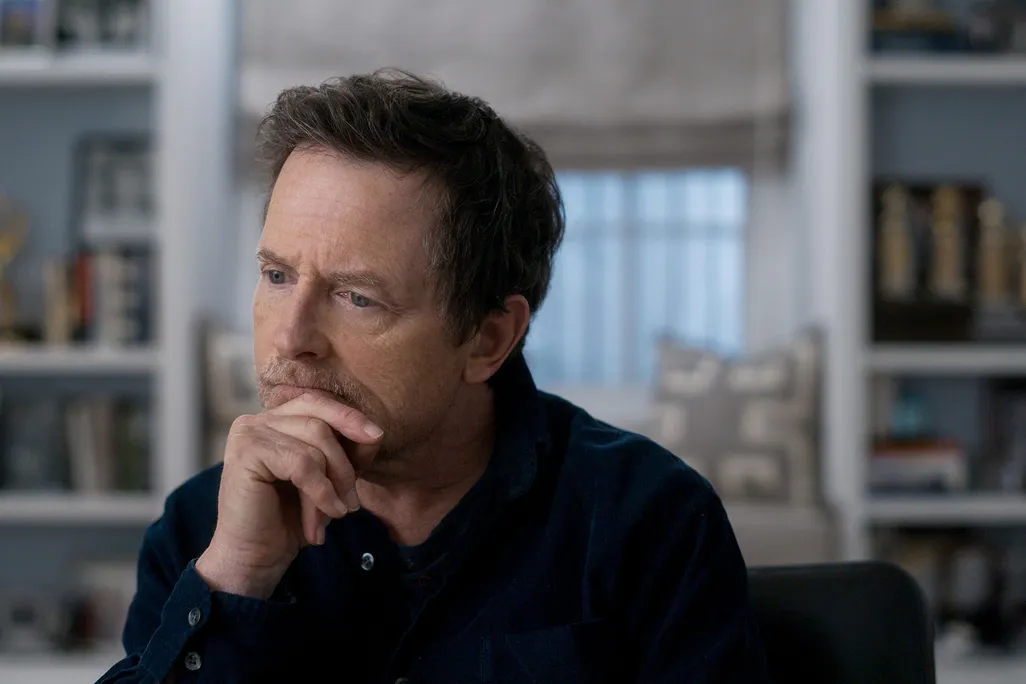
The irony of Fox’s journey is that he never set out to change the world. He wanted fame, success, and cars. Parkinson’s turned him into an activist who has reshaped the landscape of neuroscience funding. His foundation is now the leading force behind Parkinson’s research worldwide.
Living Under Public Gaze
As a star, Fox has always been watched. As a patient, he lives under an even sharper gaze. “They’re not dealing with me. They’re dealing with who they see me be,” he reflects. His answer is transparency and humor—letting people see both the struggles and the jokes.
Politics, Truth, and Optimism

Fox also links his philosophy to broader issues. He believes truth must counter misinformation, and optimism must resist cynicism. “If you obsess over the worst and it happens, you’ve lived it twice. I don’t want that. I want to live day by day.”
Waiting for the Final Scene
“I’m staying for the final scene. I’m not leaving early to beat the traffic,” Fox says. For him, the future always exists—until it doesn’t. What matters is being present, pushing for solutions, and cherishing family and community.
His legacy now stretches beyond movies. It includes both the joy he brought audiences and the research advances that could change millions of lives. If Parkinson’s one day becomes preventable or curable, Michael J. Fox’s fingerprints will be on that history.
Conclusion
Michael J. Fox refuses pity and resists sainthood. He acknowledges pain but insists on optimism. He faces Parkinson’s honestly, funds science boldly, and cherishes family fiercely. His story is not just about loss, but about resilience and purpose.
“I hate it. It sucks. But it didn’t defeat me.” That’s the essence of Fox’s philosophy: life may be unpredictable, but optimism is always a choice.
Sources
-
Still: A Michael J. Fox Movie (Apple TV+) – documentary on Fox’s life and Parkinson’s journey
-
Michael J. Fox Foundation for Parkinson’s Research – updates on biomarkers, DBS, and therapeutic trials
-
Public interviews and profiles of Michael J. Fox (summarized and rewritten for compliance with content policy)
